Journal of University of Chinese Academy of Sciences ›› 2026, Vol. 43 ›› Issue (3): 326-335.DOI: 10.7523/j.ucas.2024.037
• Mathematics & Physics • Previous Articles Next Articles
Tianyu LI, Yuhui CAO( )
)
Received:2024-02-08
Accepted:2024-04-28
Online:2026-05-15
Contact:
Yuhui CAO
CLC Number:
Tianyu LI, Yuhui CAO. Convection heat transfer of cold water in a non-isothermal Taylor-Couette system[J]. Journal of University of Chinese Academy of Sciences, 2026, 43(3): 326-335.
Add to citation manager EndNote|Ris|BibTeX
| Mesh | ||||
|---|---|---|---|---|
| 0.5 | 1 500 | M1: 96×160×160 | 14.021 | |
| M2: 96×192×320 | 13.893 | |||
| M3: 96×240×480 | 13.842 |
Table 1 Grid independent test
| Mesh | ||||
|---|---|---|---|---|
| 0.5 | 1 500 | M1: 96×160×160 | 14.021 | |
| M2: 96×192×320 | 13.893 | |||
| M3: 96×240×480 | 13.842 |
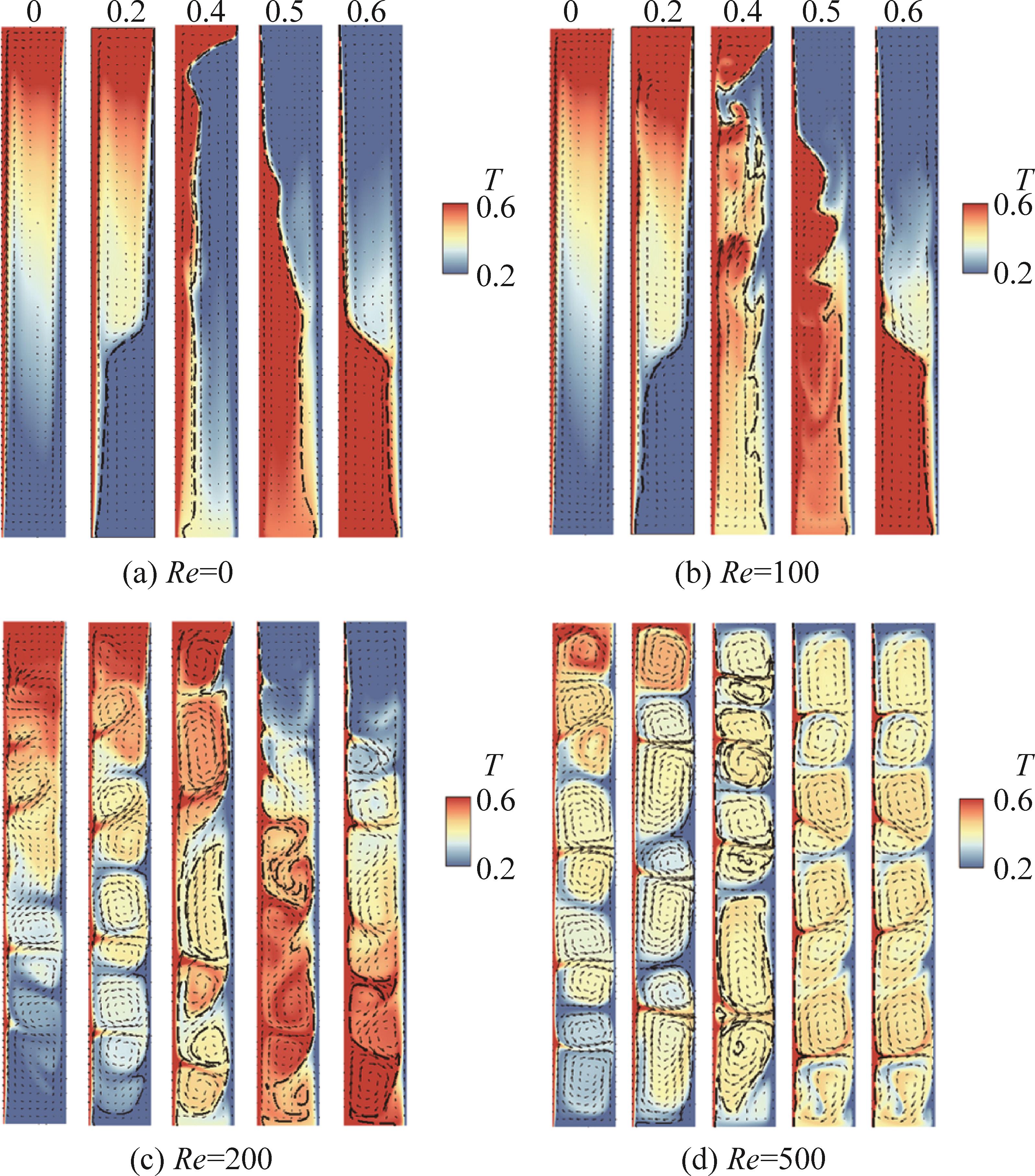
Fig.1 Instantaneous temperature field and velocity vector on a vertical cross-section
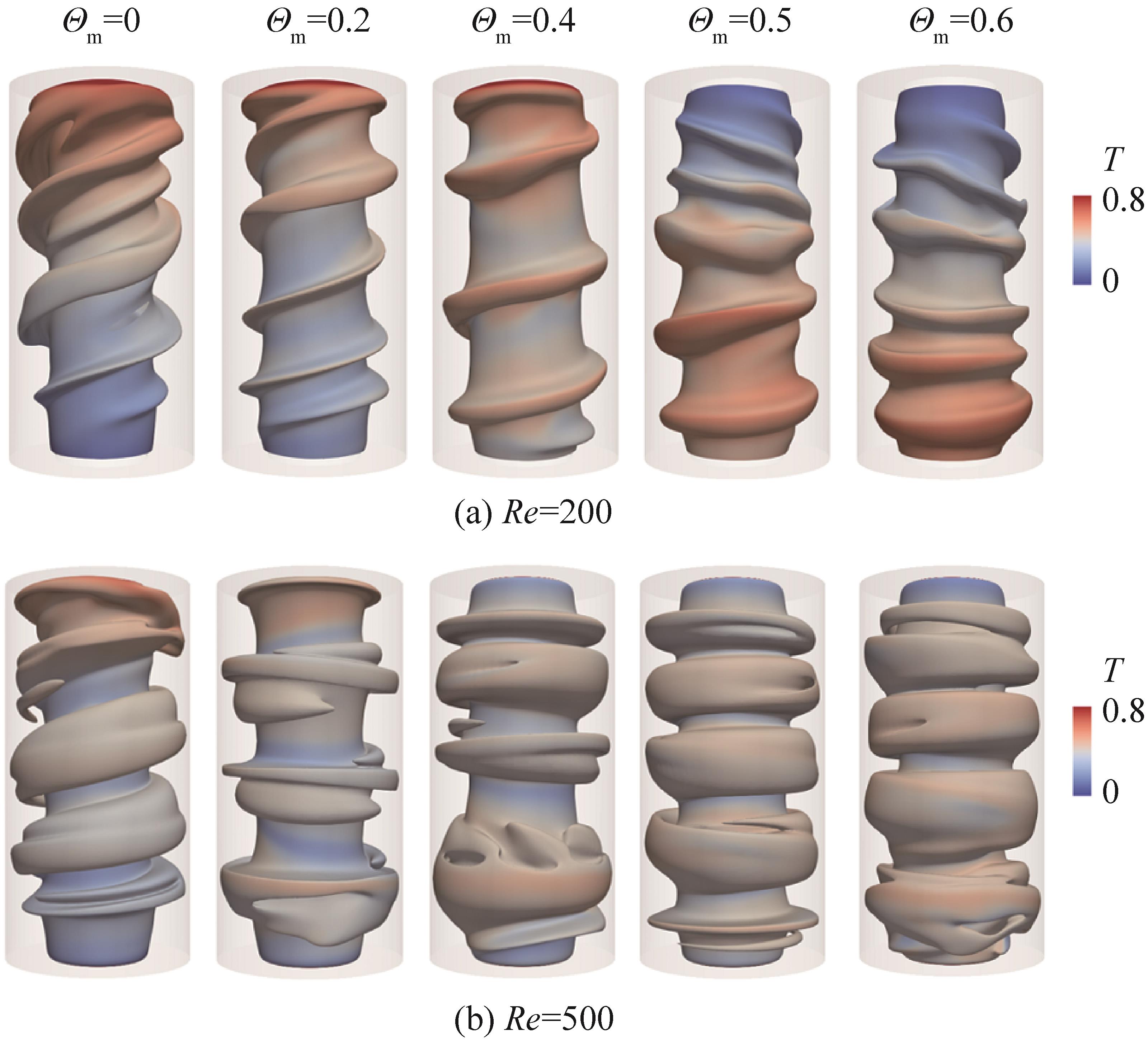
Fig.2 Instantaneous isosurface of azimuthal velocity uθ=80
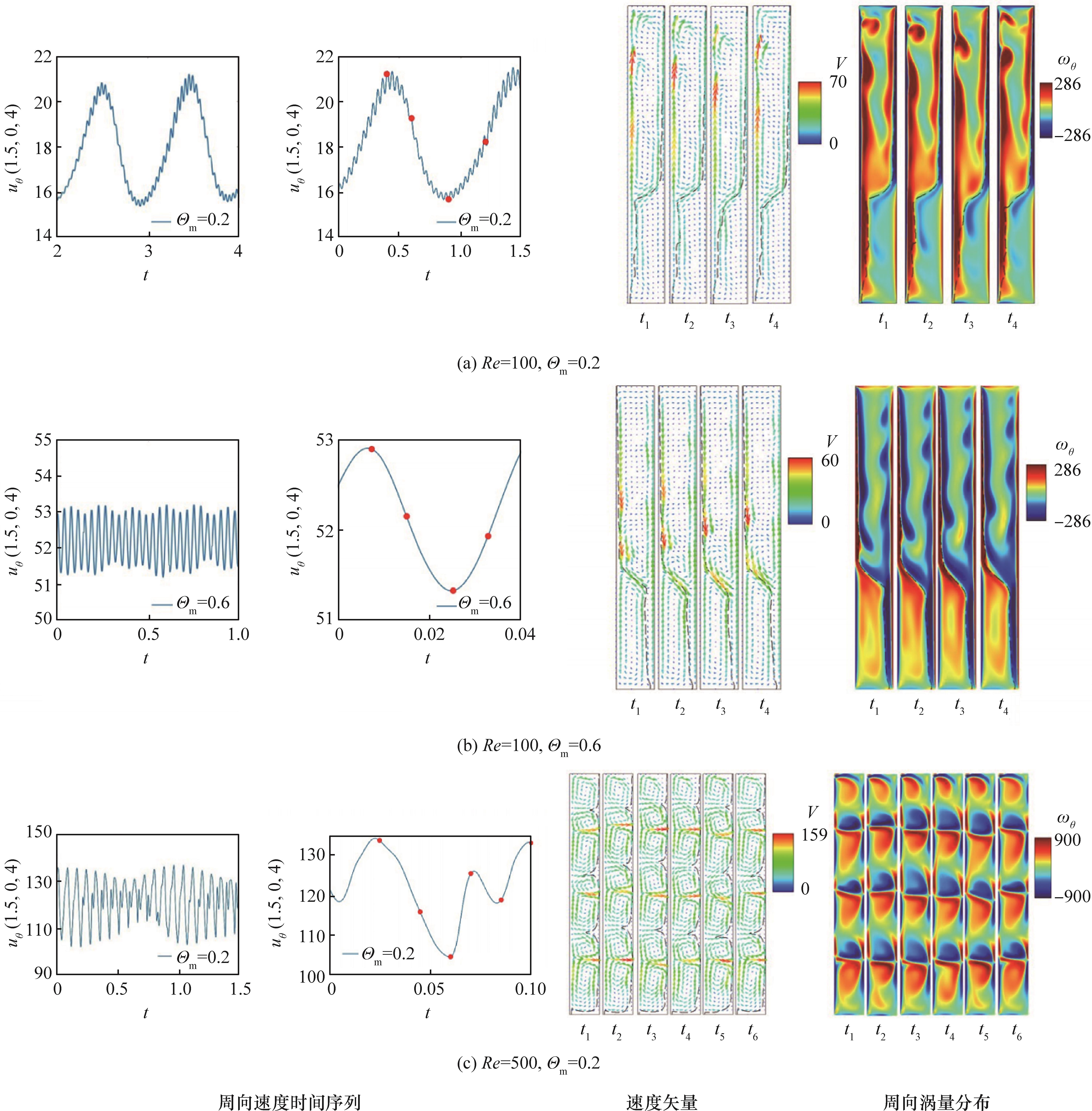
Fig.3 Quasi-periodic oscillatory behaviors
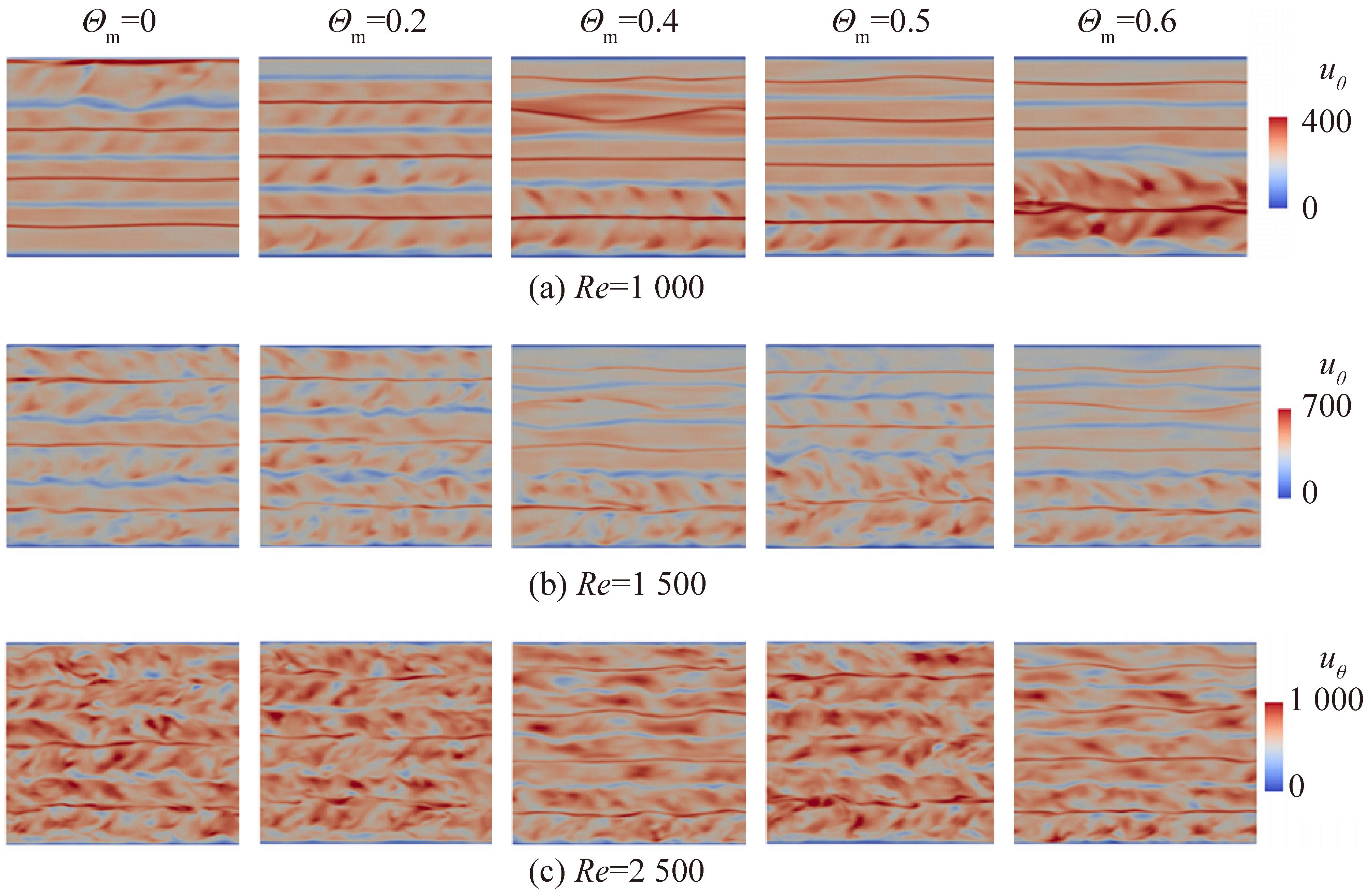
Fig.4 Distribution of uθ under high Re values on the unwrapped θ-z plane at r=1.5
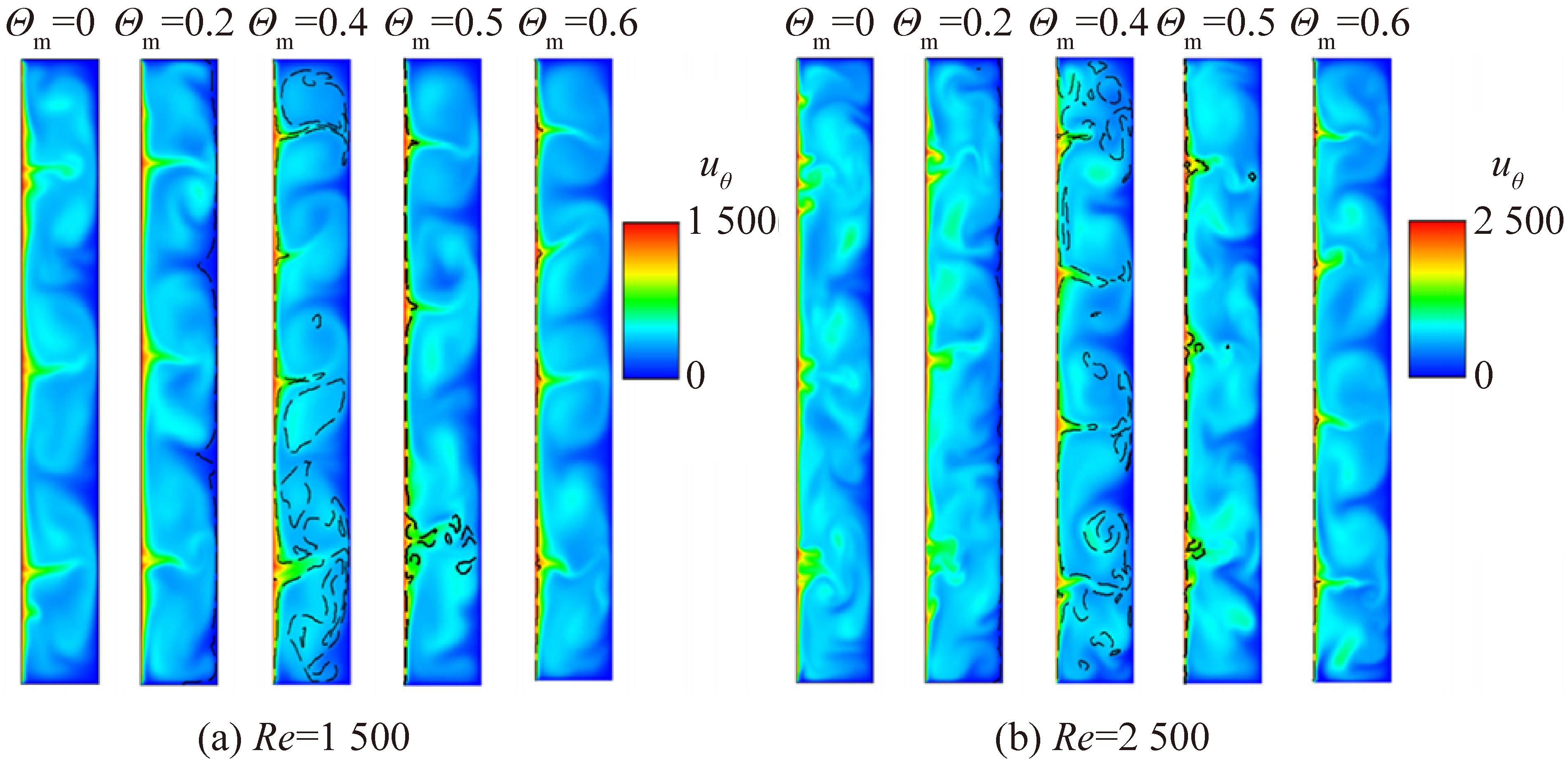
Fig.5 Distributions of uθ on r-z plane under relatively high Re values
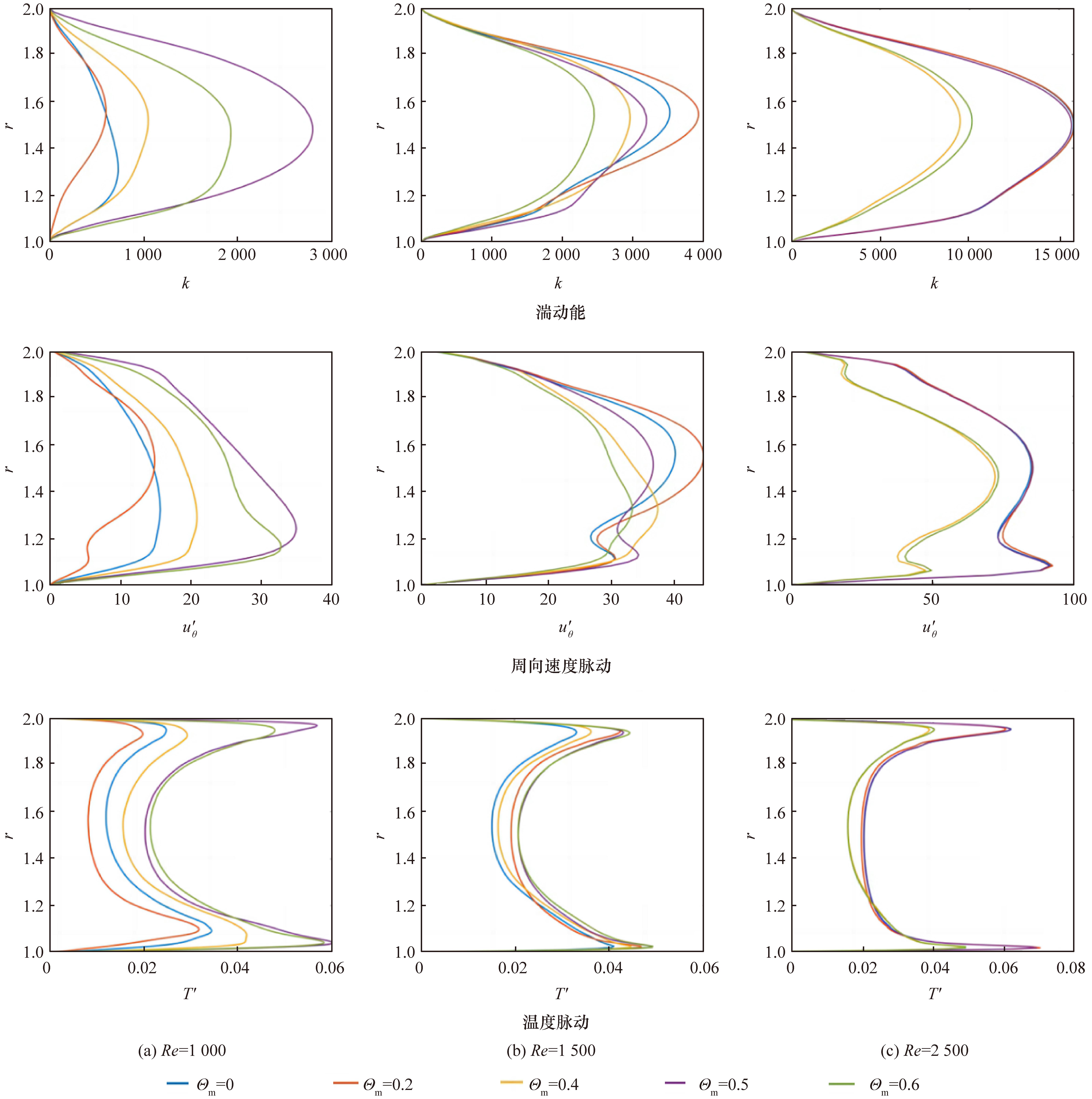
Fig.6 Average profile obtained for various Re and Θm
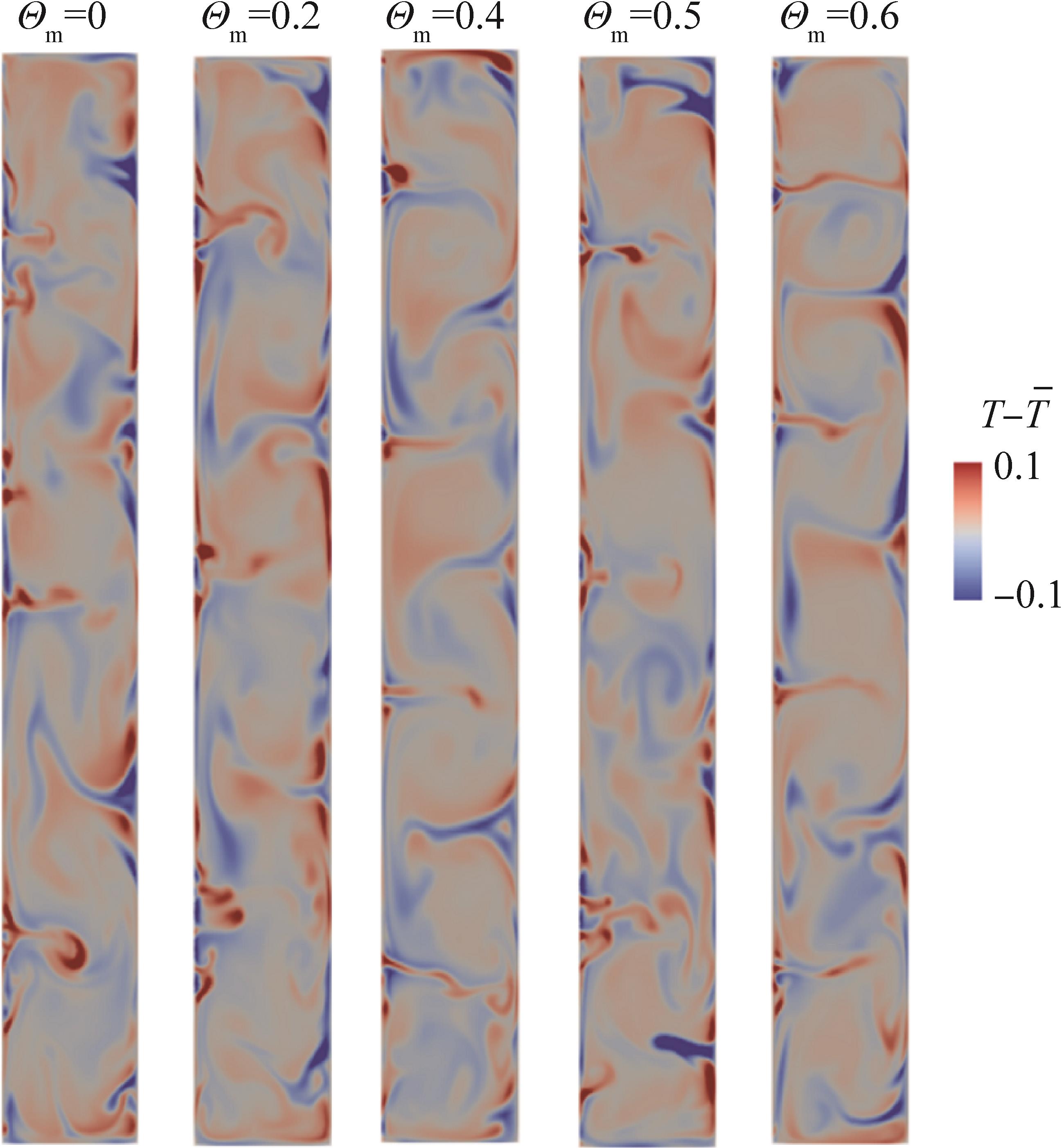
Fig.7 Temperature fluctuation field for Re=2 500
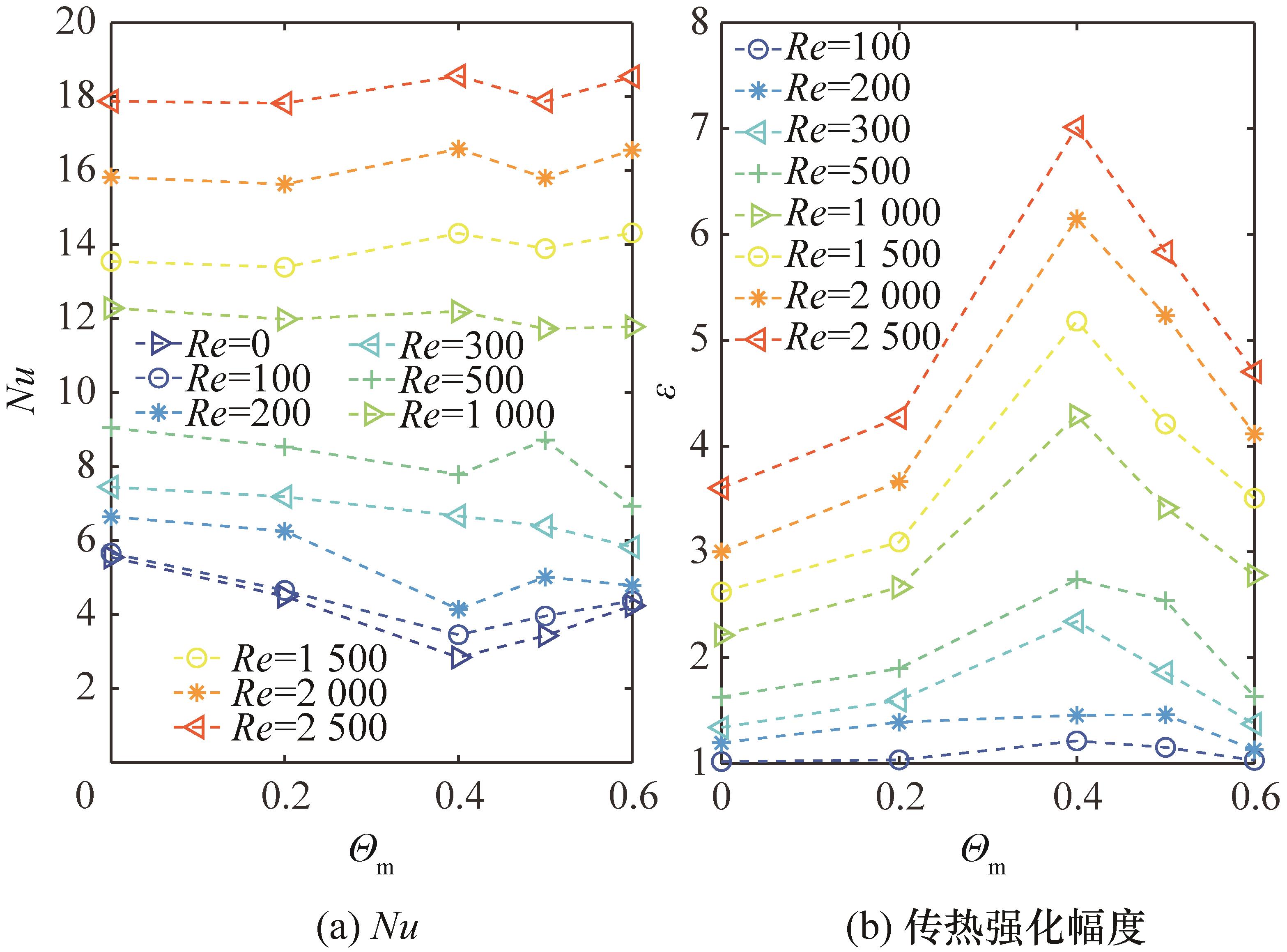
Fig.8 Variation in heat transfer performance with parameters
| [1] | Lappa M. Rotating thermal flows in natural and industrial processes[M]. Chichester, Sussex: John Wiley & Sons, 2012: 413-422. DOI:10.1002/9781118342411 . |
| [2] | Lian W L, Chang W M, Xuan Y M. Numerical investigation on flow and thermal features of a rotating heat pipe[J]. Applied Thermal Engineering, 2016, 101: 92-100. DOI: 10.1016/j.applthermaleng.2016.02.110 . |
| [3] | Donnelly R J. Taylor-Couette flow: the early days[J]. Physics Today, 1991, 44(11): 32-39. DOI: 10.1063/1.881296 . |
| [4] | Lee Y N, Minkowycz W J. Heat transfer characteristics of the annulus of two coaxial cylinders with one cylinder rotating[J]. International Journal of Heat and Mass Transfer, 1989, 32(4): 711-722. DOI: 10.1016/0017-9310(89)90218-4 . |
| [5] | Fénot M, Bertin Y, Dorignac E, et al. A review of heat transfer between concentric rotating cylinders with or without axial flow[J]. International Journal of Thermal Sciences, 2011, 50(7): 1138-1155. DOI: 10.1016/j.ijthermalsci.2011.02.013 . |
| [6] | Vivès C. Effects of a forced Couette flow during the controlled solidification of a pure metal[J]. International Journal of Heat and Mass Transfer, 1988, 31(10): 2047-2062. DOI: 10.1016/0017-9310(88)90116-0 . |
| [7] | Shi L, Hof B, Rampp M, et al. Hydrodynamic turbulence in quasi-Keplerian rotating flows[J]. Physics of Fluids, 2017, 29(4): 044107. DOI: 10.1063/1.4981525 . |
| [8] | Rüdiger G, Seelig T, Schultz M, et al. The stratorotational instability of Taylor-Couette flows with moderate Reynolds numbers[J]. Geophysical & Astrophysical Fluid Dynamics, 2017, 111(6): 429-447. DOI: 10.1080/03091929.2017.1382487 . |
| [9] | Andereck C D, Liu S S, Swinney H L. Flow regimes in a circular Couette system with independently rotating cylinders[J]. Journal of Fluid Mechanics, 1986, 164: 155-183. DOI: 10.1017/S0022112086002513 . |
| [10] | Lei Y, Farouk B. Three-dimensional mixed convection flows in a horizontal annulus with a heated rotating inner circular cylinder[J]. International Journal of Heat and Mass Transfer, 1992, 35(8): 1947-1956. DOI: 10.1016/0017-9310(92)90197-Z . |
| [11] | Kang C, Yang K S, Mutabazi I. Thermal effect on large-aspect-ratio Couette-Taylor system: numerical simulations[J]. Journal of Fluid Mechanics, 2015, 771: 57-78. DOI: 10.1017/jfm.2015.151 . |
| [12] | Bilson M, Bremhorst K. Direct numerical simulation of turbulent Taylor-Couette flow[J]. Journal of Fluid Mechanics, 2007, 579: 227-270. DOI: 10.1017/S0022112007004971 . |
| [13] | Dong S. Direct numerical simulation of turbulent Taylor-Couette flow[J]. Journal of Fluid Mechanics, 2007, 587: 373-393. DOI: 10.1017/S0022112007007367 . |
| [14] | Ostilla-Mónico R, van der Poel E P, Verzicco R, et al. Boundary layer dynamics at the transition between the classical and the ultimate regime of Taylor-Couette flow[J]. Physics of Fluids, 2014, 26(1): 015114. DOI: 10.1063/1.4863312 . |
| [15] | Snyder H A, Karlsson S K F. Experiments on the stability of Couette motion with a radial thermal gradient[J]. The Physics of Fluids, 1964, 7(10): 1696-1706. DOI: 10.1063/1.1711076 . |
| [16] | Ball K S, Farouk B. On the development of Taylor vortices in a vertical annulus with a heated rotating inner cylinder[J]. International Journal for Numerical Methods in Fluids, 1987, 7(8): 857-867. DOI: 10.1002/fld.1650070806 . |
| [17] | Ball K S, Farouk B, Dixit V C. An experimental study of heat transfer in a vertical annulus with a rotating inner cylinder[J]. International Journal of Heat and Mass Transfer, 1989, 32(8): 1517-1527. DOI: 10.1016/0017-9310(89)90073-2 . |
| [18] | Ball K S, Farouk B. A flow visualization study of the effects of buoyancy on Taylor vortices[J]. Physics of Fluids A: Fluid Dynamics, 1989, 1(9): 1502-1507. DOI: 10.1063/1.857328 . |
| [19] | Ball K S, Farouk B. Bifurcation phenomena in Taylor-Couette flow with buoyancy effects[J]. Journal of Fluid Mechanics, 1988, 197: 479-501. DOI: 10.1017/S0022112088003337 . |
| [20] | Teng H, Liu N S, Lu X Y, et al. Direct numerical simulation of Taylor-Couette flow subjected to a radial temperature gradient[J]. Physics of Fluids, 2015, 27(12):125101. DOI: 10.1063/1.4935700 . |
| [21] | Khawar O, Baig M F, Sanghi S. Taylor-Couette flows undergoing orthogonal rotation subject to thermal stratification[J]. Physics of Fluids, 2021, 33(3): 035107. DOI: 10.1063/5.0035546 . |
| [22] | Leng X Y, Zhong J Q. Mutual coherent structures for heat and angular momentum transport in turbulent Taylor-Couette flows[J]. Physical Review Fluids, 2022, 7(4): 043501. DOI: 10.1103/PhysRevFluids.7.043501 . |
| [23] | Ho C J, Tu F J. An investigation of transient mixed convection heat transfer of cold water in a tall vertical annulus with a heated rotating inner cylinder[J]. International Journal of Heat and Mass Transfer, 1993, 36(11): 2847-2859. DOI: 10.1016/0017-9310(93)90104-E . |
| [24] | Cao Y H, Tong J W. Rotating thermal flow of water near its density inversion point in a vertical annulus: flow regime transition and heat transfer enhancement[J]. International Journal of Heat and Mass Transfer, 2022, 199:123470.DOI: 10.1016/j.ijheatmasstransfer.2022.123470 . |
| [25] | 仝家炜, 曹玉会. 内圆柱旋转的Taylor-Couette系统中冷水热对流的数值模拟[J]. 中国科学院大学学报, 2024, 41(2): 176-187. DOI: 10.7523/j.ucas.2022.051 . |
| [26] | Gebhart B, Mollendorf J C. A new density relation for pure and saline water[J]. Deep Sea Research, 1977, 24(9): 831-848. DOI:10.1016/0146-6291(77)90475-1 . |
| [27] | Huang X J, Li Y R, Zhang L, et al. Turbulent Rayleigh-Bénard convection of cold water near its maximum density in a vertical cylindrical container[J]. International Journal of Heat and Mass Transfer, 2018, 116: 185-193. DOI: 10.1016/j.ijheatmasstransfer.2017.09.021 . |
| [28] | Li Y R, Yuan X F, Wu C M, et al. Natural convection of water near its density maximum between horizontal cylinders[J]. International Journal of Heat and Mass Transfer, 2011, 54(11/12): 2550-2559. DOI: 10.1016/j.ijheatmasstransfer.2011.02.006 . |
| [29] | Wei T, Koster J N. Density inversion effect on transient natural convection in a rectangular enclosure[J]. International Journal of Heat and Mass Transfer, 1994, 37(6): 927-938. DOI: 10.1016/0017-9310(94)90218-6 . |
| [30] | Shishkina O, Stevens R J A M, Grossmann S, et al. Boundary layer structure in turbulent thermal convection and its consequences for the required numerical resolution[J]. New Journal of Physics, 2010, 12(7): 075022. DOI: 10.1088/1367-2630/12/7/075022 . |
| [31] | Usman M, Son J H, Park I S. A low-Rayleigh transition into chaos for natural convection inside a horizontal annulus at Prandtl number 0.1[J]. International Journal of Heat and Mass Transfer, 2021, 179: 121658. DOI: 10.1016/j.ijheatmasstransfer.2021.121658 . |
| [32] | Kedia R, Hunt M L, Colonius T. Numerical simulations of heat transfer in Taylor-Couette flow[J]. Journal of Heat Transfer, 1998, 120(1): 65-71. DOI: 10.1115/1.2830066 . |
| [1] | Weixuan KE, Jianchao MU, Hao WANG, Kemeng CAI, Jie LIU. Numerical simulation of convective heat transfer performance of bifurcated microchannel heat sink [J]. Journal of University of Chinese Academy of Sciences, 2026, 43(4): 478-487. |
| [2] | Xing HUANG, Jianchao MU, Jie LIU, Yanbin HAO. Numerical investigation of natural convection heat transfer for toucan beak with different temperatures [J]. Journal of University of Chinese Academy of Sciences, 2026, 43(1): 33-41. |
| [3] | WANG Song, CAO Yuhui. Numerical simulation for penetrative Rayleigh-Bénard convection in a rotating system [J]. Journal of University of Chinese Academy of Sciences, 2025, 42(6): 738-746. |
| [4] | XU Jingxuan, LI Kun, QIN Yi, ZHANG Bolin, ZHANG Fengli. Rice plant density inversion using polarimetric SAR considering planting methods [J]. Journal of University of Chinese Academy of Sciences, 2025, 42(2): 167-175. |
| [5] | JIA Chongxi, WANG Hao, LIU Jie, LU Wenqiang. Numerical study of natural convection heat transfer from neck folds of the frill-neck lizard [J]. Journal of University of Chinese Academy of Sciences, 2024, 41(6): 736-745. |
| [6] | CAI Zhiyang, MENG Xu, ZHANG Dengke, WU Xi, WANG Zenghui. Experimental study of MHD effect of phase change heat transfer in metals under the influence of a strong magnetic field [J]. Journal of University of Chinese Academy of Sciences, 2024, 41(6): 746-754. |
| [7] | ZHANG Lianping, WANG Shimin. Dynamic evolution of natural convection in a porous square cavity [J]. Journal of University of Chinese Academy of Sciences, 2024, 41(5): 589-603. |
| [8] | TONG Jiawei, CAO Yuhui. Numerical simulation for thermal convection of cold water in the Taylor-Couette system with a rotating inner cylinder [J]. Journal of University of Chinese Academy of Sciences, 2024, 41(2): 176-187. |
| [9] | GUO Shengrong, NA Xianzhao, LIU Runcong, LI Yong, ZHANG Xiangping, DONG Haifeng, DAI Xiaotian, GONG Xiufang, WANG Xiaodong. Numerical simulation of forced convection driven by high-frequency traveling magnetic field for low conductivity liquids [J]. Journal of University of Chinese Academy of Sciences, 2023, 40(1): 21-28. |
| [10] | LI Yifei, SHI Yaolin, ZHANG Huai. Reshape of the drainage landform by exogenous inflow: river incision and drainage capture [J]. Journal of University of Chinese Academy of Sciences, 2022, 39(3): 309-320. |
| [11] | ZHENG Qunfan, SHI Yaolin. Driving forces for ongoing northward indentation of India into Asia: insight from 3D numerical modeling of mantle dynamics [J]. Journal of University of Chinese Academy of Sciences, 2021, 38(6): 721-728. |
| [12] | LEI Tianyang, MENG Xu, WANG Zenghui, NI Mingjiu. Experimental study of flow pattern and heat transfer of liquid metal in microchannel under the magnetic field [J]. Journal of University of Chinese Academy of Sciences, 2021, 38(4): 459-466. |
| [13] | FENG Yuxuan, LUO Kun, FAN Jianren. Particle transport and charging mechanism of the nano particle within an electrostatic precipitator [J]. Journal of University of Chinese Academy of Sciences, 2021, 38(3): 297-305. |
| [14] | SHAO Cuifa, WANG Shimin. Viscoelastic relaxation of lithospheric flexure and its influence on determining thickness of elastic lithosphere [J]. , 2020, 37(5): 640-649. |
| [15] | MIN Lingshuai, CHENG Huihong, SHI Yaolin. Numerical simulation of regional magmatic hydrothermal mineralization: a case study on the Qianhe gold deposits in Xiong'ershan region [J]. , 2020, 37(3): 324-335. |
| Viewed | ||||||
|
Full text |
|
|||||
|
Abstract |
|
|||||
Copyright © Journal of University of Chinese Academy of Sciences
Support by Beijing Magtech Co.ltd support@magtech.com.cn

